

For Open & Closed Systems
Light is the most misunderstood part of terrarium care.
Most problems blamed on watering or plants are actually light problems.
Terrariums do not need strong light.
They need correct light.
1. Why Light Matters More Than Water
In a terrarium:
-
Water is recycled
-
Humidity is stable
-
Temperature changes slowly
Light is the main external input.
Too much light overheats the system.
Too little light starves plants slowly.
Understanding light correctly removes most maintenance issues.
2. What “Bright Indirect Light” Really Means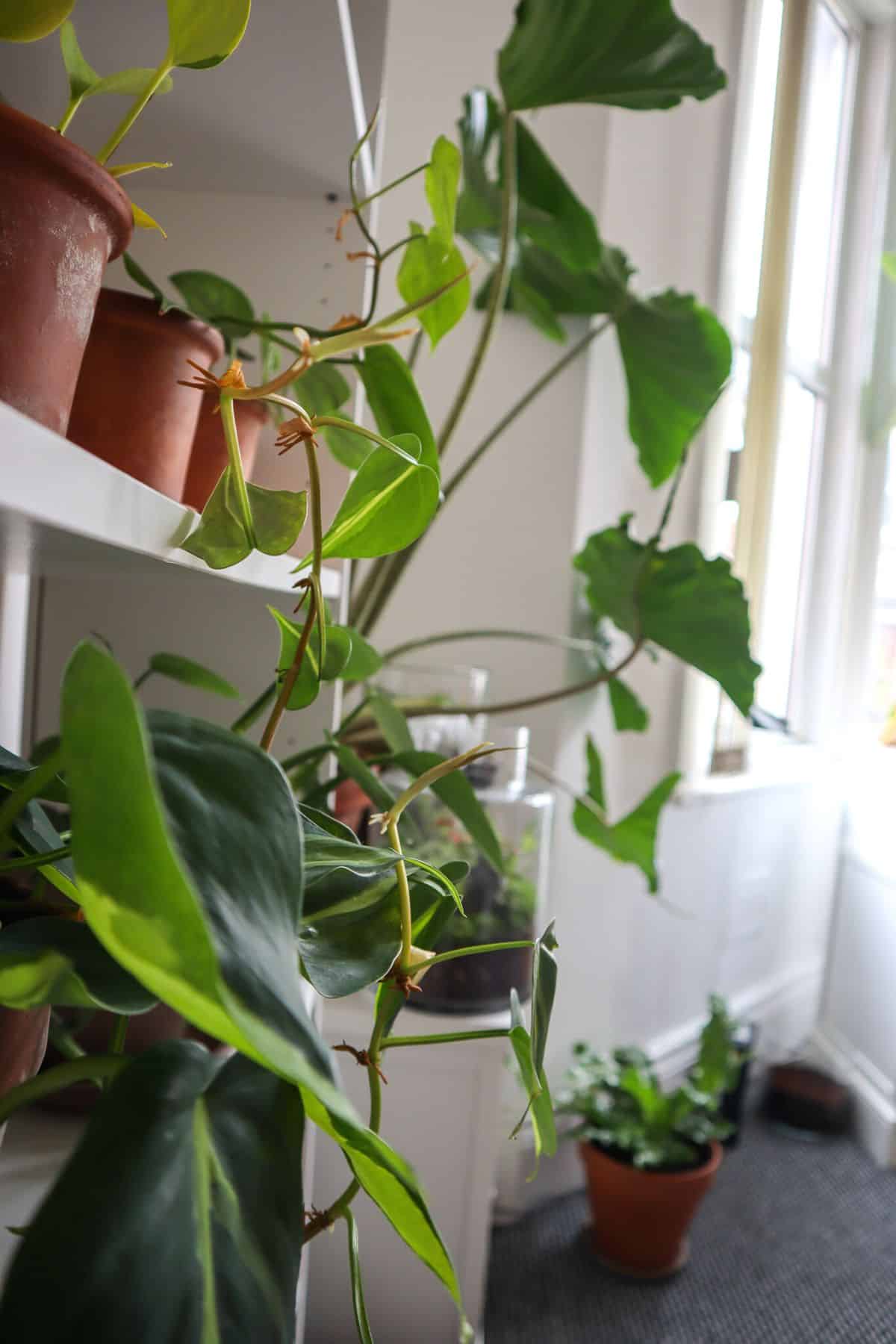
This phrase is often misunderstood.
Bright indirect light means:
-
A well-lit room
-
Light reaches the terrarium without direct sun rays
-
You can comfortably read nearby during the day
It does NOT mean:
-
Direct sun on the glass
-
Dark corners
-
Artificial spotlighting
If sunlight hits the glass directly, even for a short time, the terrarium can overheat.
3. Light for Closed Terrariums
Closed terrariums contain:
-
moss
-
ferns
-
humidity-loving plants
These plants evolved under forest canopies.
Ideal Light Conditions
-
Bright, indirect natural light
-
East- or north-facing windows are best
-
A few meters away from stronger windows is fine
What Happens With Too Much Light
-
Excess condensation
-
Overheating
-
Algae growth
-
Stressed moss
What Happens With Too Little Light
-
Pale moss
-
Slow decline over weeks
-
No visible growth
Closed terrariums decline slowly when light is wrong — not immediately.
4. Light for Open Terrariums
Open terrariums behave more like shallow planters.
They often contain:
-
succulents
-
cacti
-
air plants
These plants tolerate brighter conditions.
Ideal Light Conditions
-
Bright indirect light
-
Gentle morning or late afternoon sun is acceptable
-
Never intense midday sun
Important Difference
Open terrariums can release heat.
Closed terrariums cannot.
This is why open systems tolerate more light.
5. Light for Air Plants (Tillandsia)
Air plants need more light than moss but less than full sun.
Best Light for Air Plants
-
Bright, indirect light
-
Near a window with filtered sun
-
Good airflow
Warning Signs
-
Too little light → slow weakening
-
Too much sun → leaf burn
Air plants fail slowly when light is wrong.
They rarely fail suddenly.
6. Window Direction (Simple Guide)
North-Facing Windows
-
Soft, consistent light
-
Ideal for closed terrariums
East-Facing Windows
-
Gentle morning sun
-
Excellent for most terrariums
West-Facing Windows
-
Strong afternoon light
-
Use distance or filtering
South-Facing Windows
-
Very strong light
-
Usually too intense without filtering
Glass magnifies heat.
Always assume sunlight is stronger than it looks.
7. Artificial Light: Should You Use It?

For most homes, no.
Terrariums do not require grow lights if placed correctly.
Artificial light may be useful if:
-
natural light is extremely limited
-
terrariums are placed deep inside rooms
If used:
-
low-intensity LED
-
cool temperature
-
no heat buildup
-
consistent daily schedule
Avoid:
-
strong grow lamps
-
spotlights
-
heat-producing bulbs
8. Seasonal Light Changes
Light changes throughout the year.
Winter
-
Lower intensity
-
Shorter days
-
Terrariums slow down naturally
Summer
-
Higher intensity
-
Longer days
-
Increased risk of overheating
Do not “correct” seasonal changes.
Slower growth in winter is normal.
9. Common Light Mistakes
Avoid:
-
Placing terrariums on sunny windowsills
-
Rotating constantly
-
Using decorative spot lighting
-
Assuming “more light = better growth”
Terrariums thrive on consistency, not optimization.
10. The MossBoss Principle
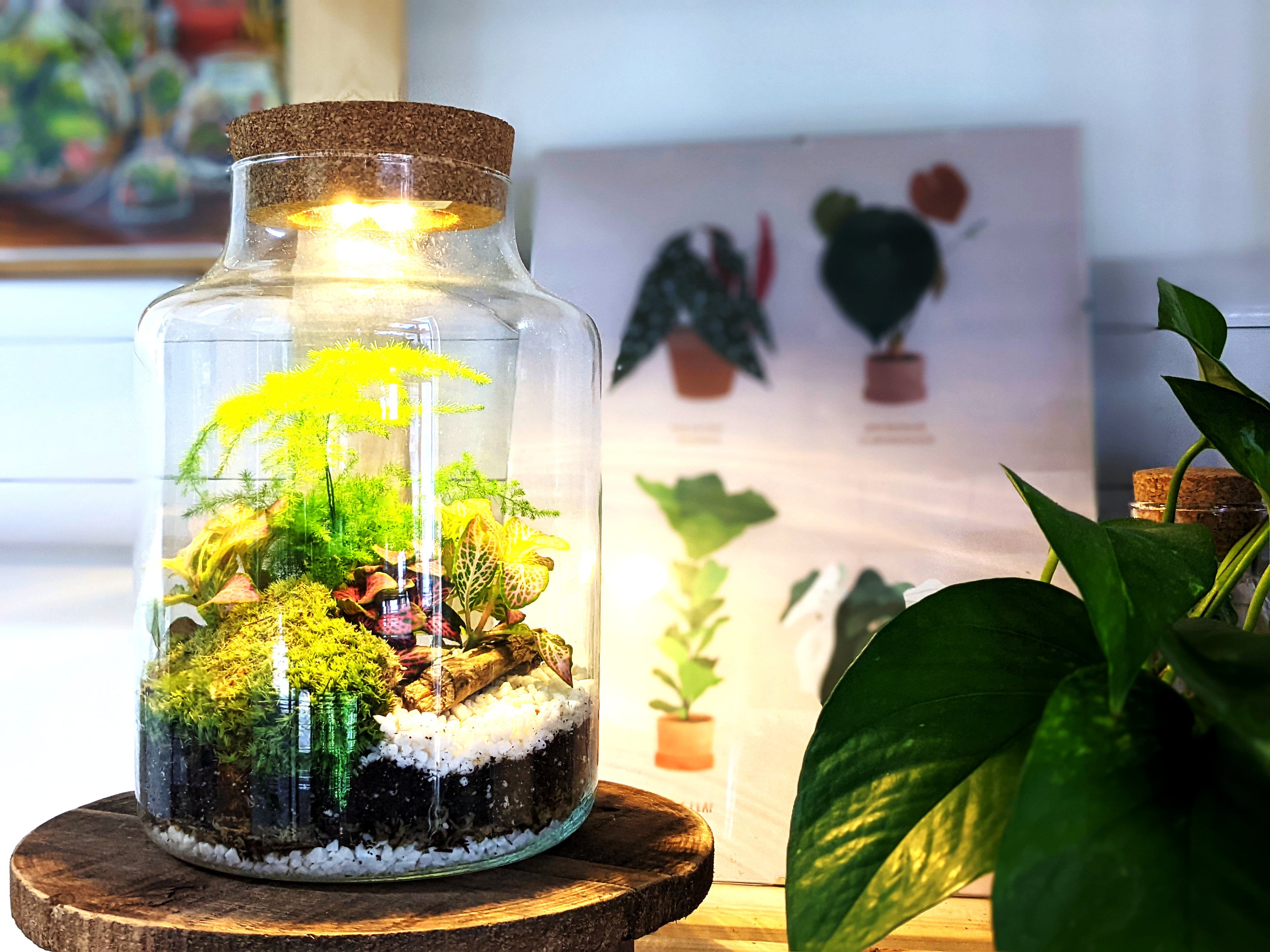
Correct light creates balance.
Balance removes maintenance.
If a terrarium:
-
stays green
-
smells earthy
-
changes slowly
The light is right.
Light is only one part of complete terrarium care. To learn how to combine light, watering, condensation, moisture and observation, see our [complete guide to caring for a terrarium].


